Why Practical Training Matters in Panchakarma Education
It's possible to pass a Panchakarma course knowing the theory well and still be unprepared to work a real session. The gap between the two is practical training — and it's worth understanding why it matters so much.
Technique is a physical skill
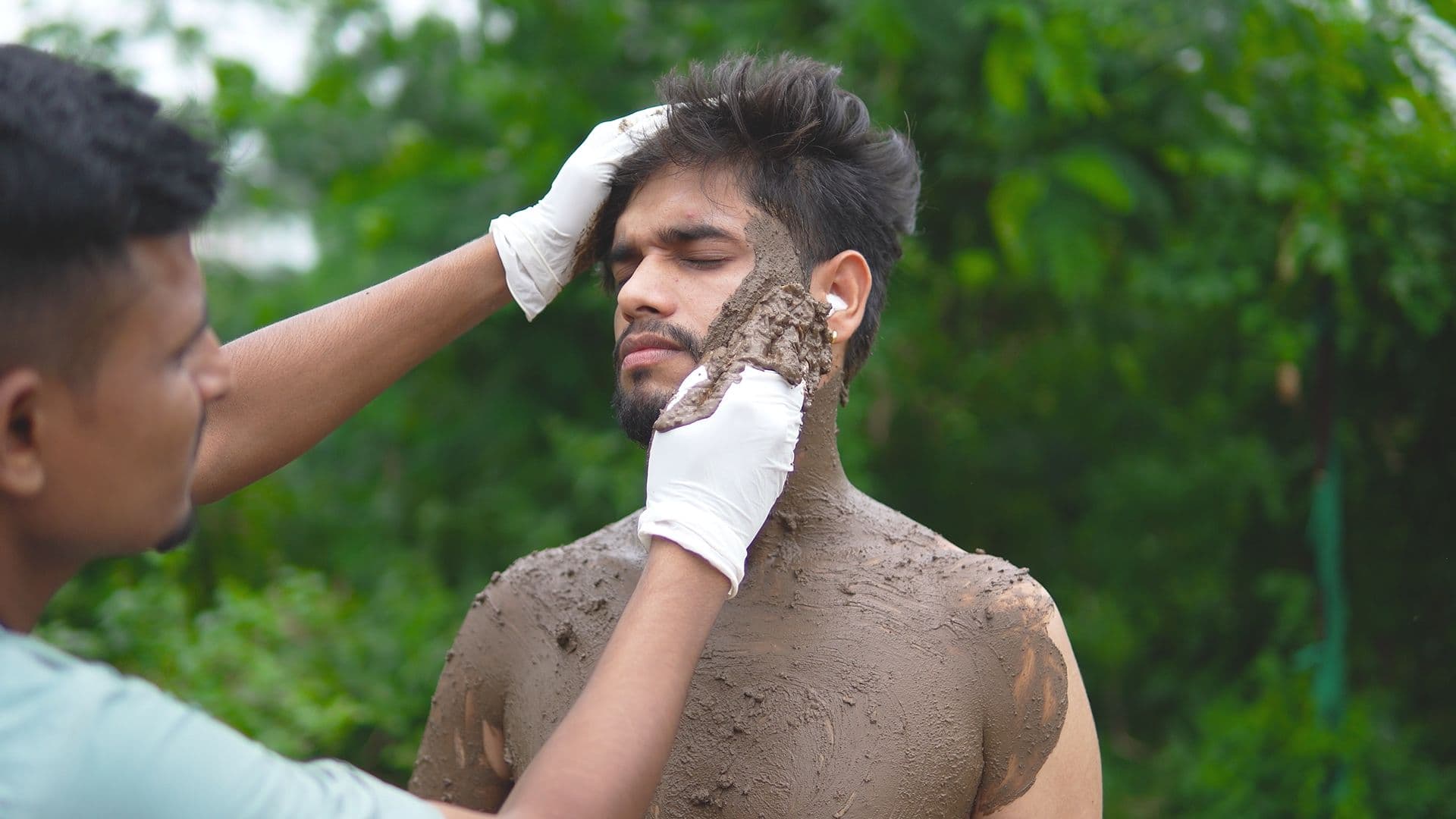
Massage techniques, Swedana, external Basti procedures — these are physical skills learned by doing them, under supervision, repeatedly, with correction. Reading a description of a technique and performing it correctly on a real person are two different levels of competence, and only one of them is useful to an employer.
Client handling can't be taught in a lecture
Real sessions involve real people — communicating clearly, reading how someone is responding, adjusting as needed. This judgment develops through supervised practice with actual clients or realistic practice scenarios, not through classroom instruction alone.
Hygiene and protocol become habit, not memory
Safety and hygiene protocols need to become automatic, not something a therapist has to consciously recall mid-session. That level of habit only forms through repeated practice under supervision, where a trainer can catch and correct lapses before they become ingrained.
Employers can tell the difference
A therapist trained mostly through lecture with minimal supervised practice is noticeably less prepared in a real workplace than one who has spent significant hours actually performing and being corrected on technique. This shows up quickly in an interview or a working trial.
What to check
Ask any program directly: how many hours are supervised practice versus lecture, and does correction happen during practice, not just at a final assessment.
Atmabodh Academy's training model is built specifically around demonstration followed by supervised practice — see the 30-Day Certification for the full structure.