Hygiene and Client Safety Skills Every Wellness Therapist Should Learn
Technique gets most of the attention in wellness therapy training, but hygiene and client safety are what a professional workplace actually checks first — and what protects both the therapist and the client. Here's what belongs in every therapist's foundation.
Therapy-room preparation
Before a client arrives, the space itself needs to be prepared correctly: clean surfaces, properly stored materials and oils, equipment checked and ready. This is a learned routine, not common sense picked up casually.
Safe equipment and material handling
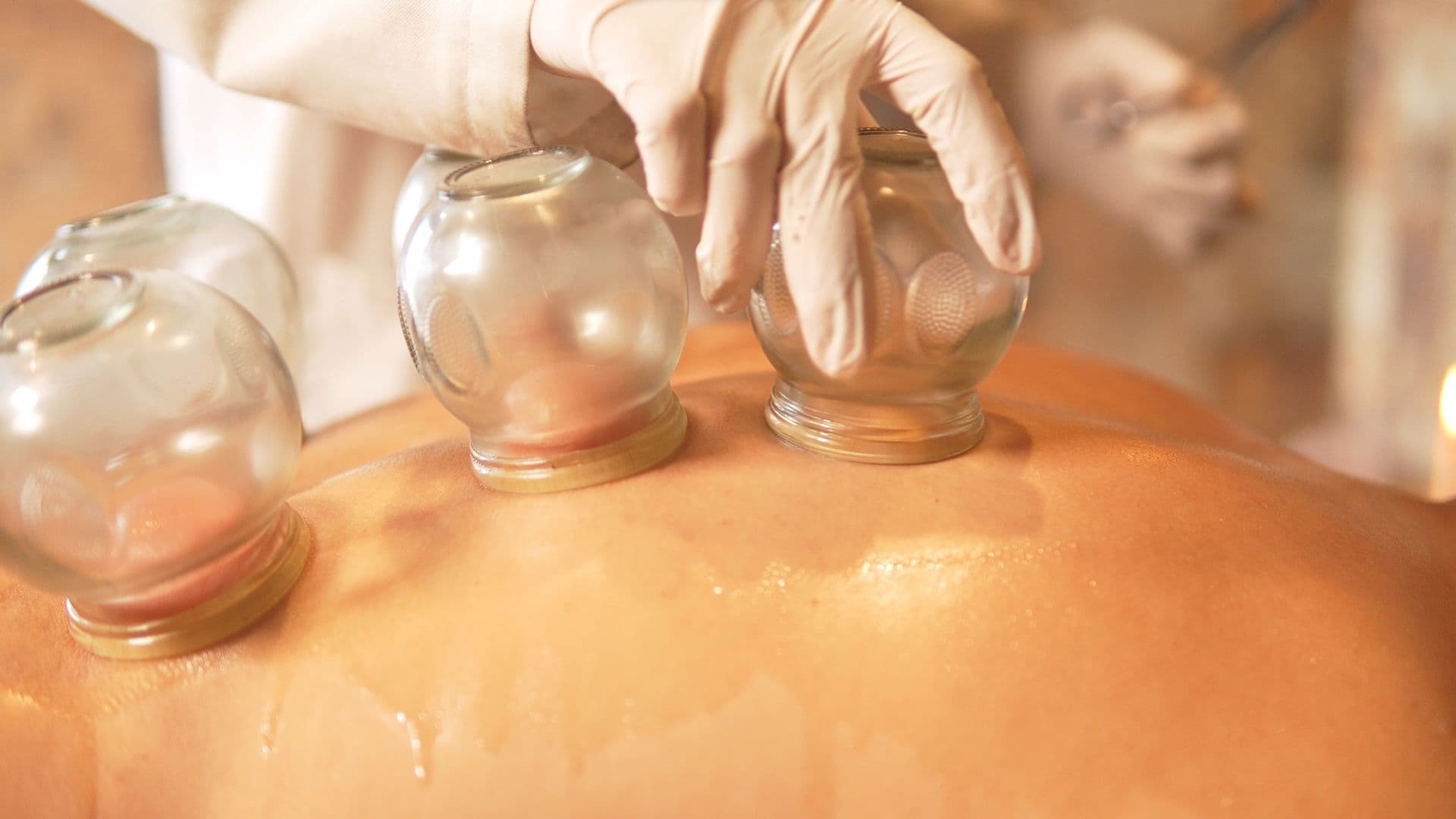
Whatever the therapy — massage, steam, water-based treatments, cupping — the tools and materials involved need to be handled, cleaned and stored according to clear protocols. A therapist should be able to explain why a protocol exists, not just follow it by rote.
Clear client communication
Explaining what a session will involve, checking in during it, and knowing how to respond if a client raises a concern are all safety-relevant skills, not just customer service. Miscommunication is one of the most common sources of an uncomfortable or unsafe session.
Documentation as a safety tool
Recording what was done in a session, and anything notable about how a client responded, protects everyone and helps the next session — whether with the same or a different therapist — start with accurate information.
Why this is trained, not assumed
None of this is intuitive by default. A serious training program treats hygiene, safety and documentation as graded skills covered throughout the course, not a single orientation session at the start.
Atmabodh Academy builds hygiene, session protocols, client handling and documentation into its curriculum as a dedicated module — see the full course curriculum for details.