What Does a Panchakarma Therapist Learn?
"Panchakarma training" can mean very different things depending on the school. Some programs are a week of demonstrations; others are a structured, months-long curriculum. Here's what a properly built program actually covers, module by module.
Foundations before technique
Before touching a client, a student learns the principles that Panchakarma sits on top of: core Ayurveda concepts, and constitution-aware thinking about wellness and diet. Skipping this and going straight to technique produces therapists who can follow steps but can't explain why a session is structured the way it is — which matters the moment a client asks a question.
The therapy modules themselves
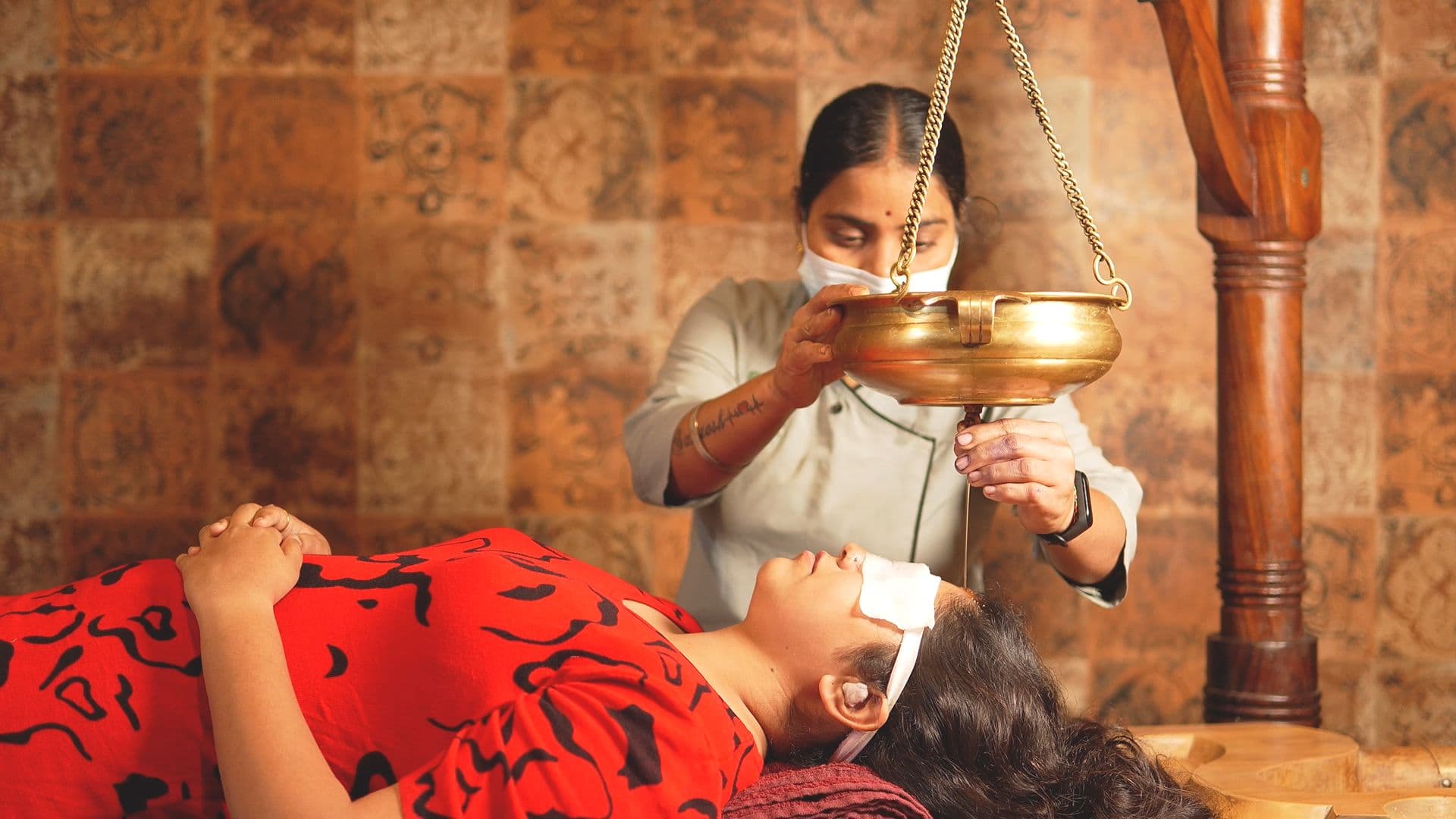
From there, training moves through the specific therapy groups: Panchakarma procedures, massage techniques, Naturopathy-adjacent treatments, Swedana (steam and sudation), and external Basti techniques. A well-designed program will let you observe a technique demonstrated by an experienced therapist before you're asked to perform it yourself under supervision.
The part students underestimate
Hygiene, session protocols, client handling and documentation aren't a side note — they're what a real workplace actually checks first. Therapy-room preparation, safe handling of equipment and materials, clear communication with clients, and accurate session documentation are graded skills, not soft extras.
How much of this is hands-on
The honest answer depends on the program. Ask specifically what proportion of the course is supervised practice versus lecture, and whether corrections happen in real time as you work. A program that can't answer that clearly is one to be cautious about.
Atmabodh Academy's certification programs are organised exactly along these lines — see the full 30-Day Certification curriculum for the module-by-module breakdown, or read about the training environment it's taught in.