Panchakarma Therapy Training: Practical Skills Explained
"Practical skills" in Panchakarma training means more than being able to physically perform a technique. Here's what it actually breaks down into.
Technique, under supervision, repeated
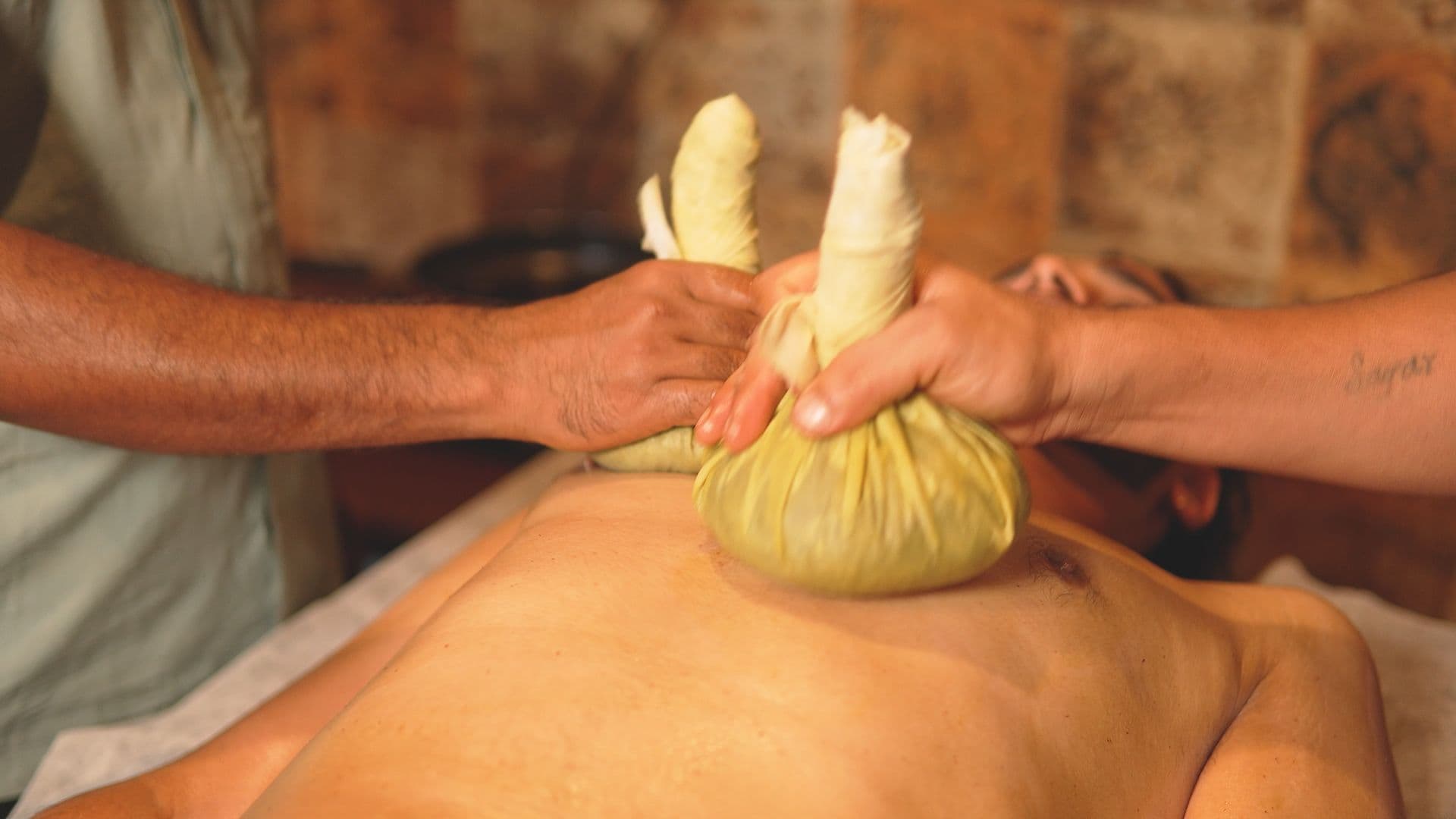
The core of any Panchakarma program is procedural skill: massage techniques, Swedana (steam and sudation), external Basti procedures, and related Panchakarma therapies. These are learned through demonstration first, then supervised practice with correction — not by reading a description and attempting it once.
Session judgment
Beyond the technique itself, a trained therapist needs to read a session as it happens: noticing when something needs adjusting, communicating clearly with a client throughout, and knowing when to flag something to a supervisor. This kind of judgment only develops through repeated, corrected practice — it isn't something a lecture can teach on its own.
Hygiene and safety protocols
Therapy-room preparation, safe handling of oils and equipment, and consistent hygiene practice are non-negotiable in a professional setting. A training program should treat these as graded, core skills throughout the course, not a single module covered once at the start.
Documentation
Every professional therapy session needs a record — what was done, how the client responded, anything relevant for the next session. Learning to document clearly and consistently is part of practical training, not an administrative afterthought bolted on separately.
How to tell if a program actually builds these skills
Ask how much of the course is supervised hands-on practice versus lecture, whether corrections happen during practice sessions (not just at a final exam), and whether hygiene and documentation are assessed throughout the course.
These are exactly the areas covered in Atmabodh Academy's 30-Day Certification curriculum, module by module.