
Naturopathy Therapist Training: What Students Should Expect
Naturopathy training sounds straightforward on paper — natural methods, drug-free treatment — but the quality of a program varies enormously in practice. Here's what a genuinely useful training experience looks like.
A day built around observation and doing
Expect a structure that alternates between demonstration and supervised practice, not a classroom that occasionally visits a therapy room. A typical day should include direct exposure to live sessions, guided practical classes, and time for corrections — a trainer watching you work and adjusting your technique in real time, not just grading a final assessment.
The range of therapies covered
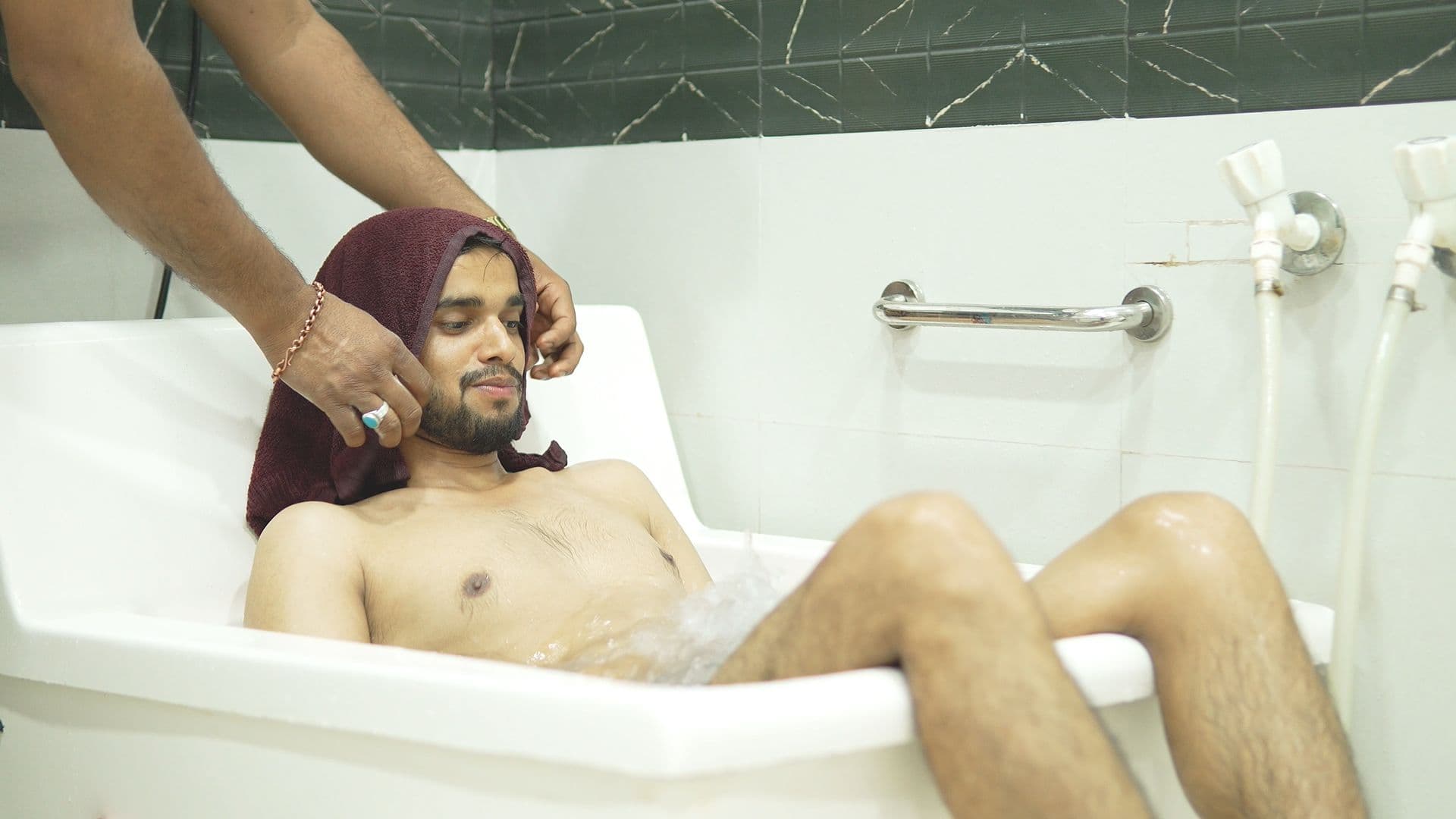
A solid Naturopathy training program covers water-based therapies, mud and earth treatments, and often overlaps with Panchakarma and massage modules, since these fields are taught together in most Indian academies. If a program only covers one narrow technique, ask what else it offers before enrolling.
Hygiene and documentation are part of the training, not extras
Therapy-room preparation, safe equipment handling, and accurate documentation of each session are core, gradable skills — not things you pick up informally on the job. A program that treats these as afterthoughts is preparing you poorly for a real workplace.
Class size matters more than students expect
Small batches mean more correction time per student. Before enrolling, ask directly how many students are in a batch and how many trainers are present during practical sessions.
Atmabodh Academy trains within an operating wellness center on Sinhagad Road, Pune, so students see how sessions are actually prepared, delivered and documented in a working setting. See the campus and training environment page, or go straight to the course details to check the current structure.